Comparison
JPEG vs. JPG: What Sets Them Apart?
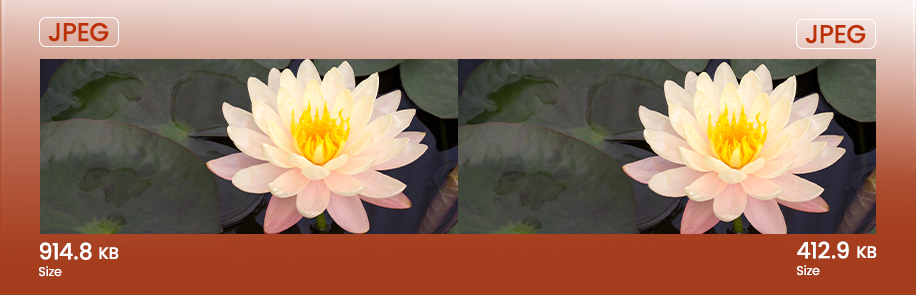
When it comes to digital images, two file formats are often used interchangeably—JPG and JPEG. If you have ever
downloaded or uploaded an image, chances are you have already encountered both.
However, in spite of their widespread use, many remain uncertain about the actual differences between these
extensions. JPEG and JPG may sound almost identical, but they do have key differences. Read on to discover what sets
them apart before using a JPEG to JPG converter.
If you are exploring a robust JPEG to JPG converter, this guide will help you gain a thorough understanding of their
perks and drawbacks. Additionally, discover how an online file conversion tool can streamline the process of image
management for more ease and better efficiency.
Let’s dive in—
What is JPEG and JPG?
Both JPEG and JPG refer to the same image format and stand for Joint Photographic Experts Group, a committee that set
the standard in 1992. The major difference between JPEG and JPG stems from their file extension length.
Those who want to try out a JPG to
JPEG converter should know that JPEG is the original file extension and is the
full form of the Joint Photographic Experts Group standard. On the other hand, JPG is just an abbreviation of JPEG
that emerged in the initial days of computing when systems supported only 3-letter file extensions.
This restriction soon subsided, but the 3-character extension remained in use in some specific environments. In
practical terms, there’s no functional difference between JPEG and JPG. Both these formats are used to store
compressed images that make them ideal for saving space on devices or image sharing online.
The Major Differences Between JPEG and JPG
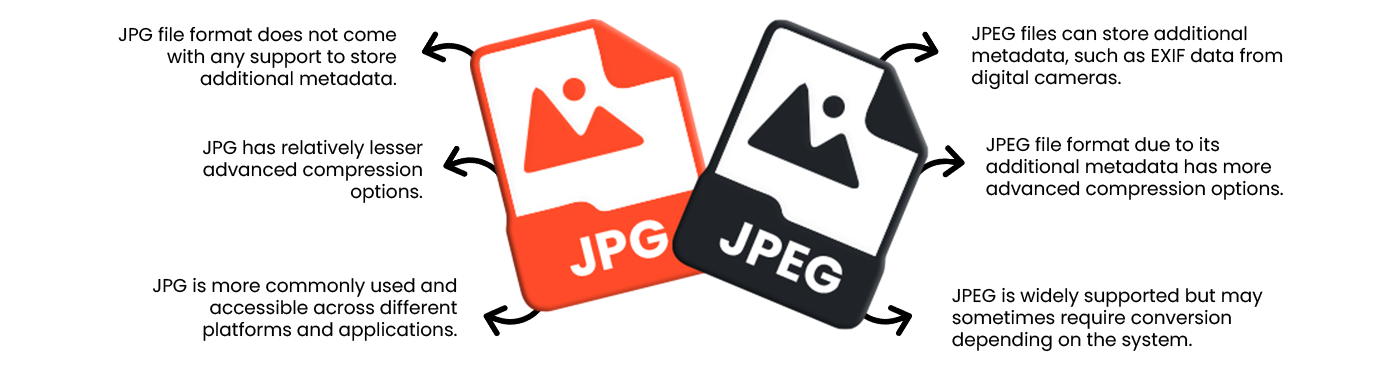
As mentioned already, the only difference between JPEG and JPG is the file extension. In terms of their
functorialities, they are identical in every way. Both formats use lossy compression, which means some of the image
data is discarded to minimize the file size, leading to faster downloads and uploads.
That said, there are still some very nominal differences in how they may appear on different operating platforms or
systems that we will cover in more detail below.
Perks of JPEG and JPG
Both JPEG and JPG provide several benefits, making them extremely popular for website use, digital photography, online sharing, and more!
- Small File Size: One of the biggest perks of JPEG and JPG formats is probably their small file size because of the lossy compression. These files are perfect for use on blogs, websites, social media, etc., where instant loading is essential. The compression minimizes the overall file size significantly without visibly compromising the image quality, making them easy to share or store.
- Balance of File Size and Quality: Both JPEG and JPG offer a good balance between file size and quality. When properly compressed, they keep up with decent image quality while keeping the file size small. This makes them perfect for images that require being displayed digitally without affecting too much resolution or clarity.
- Universal Compatibility: JPEG and JPG are compatible with almost every device, software program, and operating system. Whether you are on a Mac, mobile device, or Windows PC, you can easily view, open, and edit JPEG and JPG files. Their universal compatibility makes sure that you won’t run into any issues while uploading or sharing images.
- Widely Supported for Photography: These formats are very commonly used for digital photography because of their ability to compress large image files into more manageable sizes. Most smartphones and modern cameras capture images in JPEG or JPG formats, making them the ‘gold’ industry standard for premium-quality images with a manageable file size.
Why Should You Start Using an Online File Converter?
Thanks to the widespread use of JPEG and JPG files, the popularity and demand for online file conversion tools have
reached another height!
Here are some reasons why you should empower your digital arsenal with an online converter:
- Ease of Use: Online file conversion tools are usually highly user-friendly, requiring zero technical knowledge. You simply upload your image, choose the format you are looking to convert it to, and tap on the "convert" button. Within just a few seconds, you will have your file in the preferred format ready for use.
- No Software Installation Needed: An online converter saves space on your device since you don’t need to install any conventional or additional software. It’s perfect for users who need to convert files quickly without the hassle of installing or managing software.
- Free and Fast: Most of the online conversion tools provide free services, meaning you don’t need to spend even a single penny to convert your JPEG or JPG files. Additionally, the process is usually agile, saving you valuable time.
- Batch Conversion: Many online conversion tools enable you to convert multiple files at once, saving you a significant amount of time while processing a large number of images.
Taking the Leap
Many online file conversion tools have already etched their mark with top-tier performance. Among them, A2Z Converter stands out as the ultimate one-stop solution for fast, seamless, and hassle-free conversions. Beyond just files, this versatile tool effortlessly converts texts, images, documents, and even units—all in just a few clicks!